TN2 Symposium: Causality through the lens of ageing
| Date: | 10 April 2026 |
| Time: | 08:45-12:00 (CEST) |
| Location: | Conference Room ‘t IJ (2nd floor, next to the pantry), RDC – Adore Building, Amsterdam UMC, location VUmc. |
| Registration: | Register via this form |
Share this
Join us for an inspiring Translational Neuroscience Network morning symposium on “Causality through the lens of aging” on Friday, April 10, 2026.
This energizing event will explore how some individuals defy cognitive decline – even in extreme old age – and others are predisposed to develop neurodegenerative disease across the aging trajectory. By examining the role of genetics and brain-damaging insults like concussions, as well as plasticity and the regenerative ability of the brain, we may identify causal, protective, or risk factors for cognitive decline in the aging brain. By moving towards a mechanistic understanding of these interindividual differences, we can pave the way for novel therapies to preserve cognition and brain health. Don’t miss this opportunity to engage with experts shaping the future of dementia research and aging science!
Program
| 08:45 – 09:00 Walk-in |
| 09:00 – 09:05 Word of Welcome by TN2 organization |
| 09:05 – 09:40 Keynote lecture by Prof. dr. Henne Holstege – The 100-plus Study and Pathways to Cognitive Resilience in Extreme Longevity |
| 09:40 – 10:00 Presentation by dr. Carlos Fitzsimmons – Understanding the link between brain injury and neurodegenerative diseases |
| 10:00 – 10:20 Presentation by dr. Evgenia Salta – Single-cell molecular mapping of human adult hippocampal neurogenesis in Alzheimer’s disease and resilience |
| 10:20 – 10:45 Panel discussion with all speakers |
| 10:45 -10:50 Wrap up by TN2 organization |
| 10:50 – 12:00 Network and coffee |
Speakers

Henne Holstege
VIB/KU Leuven & Amsterdam UMC
Short Abstract
Henne Holstege shares her time as a full professor at the Center for Brain Research (VIB/KU Leuven Belgium), and as an Associate Professor at Amsterdam UMC, (The Netherlands).
How can cognitive health be maintained during human aging? To identify protective genetic and biomolecular factors that associate with the escape of cognitive decline, we set up the 100-plus Study, a longitudinal cohort study of cognitively healthy centenarians. Currently, the cohort includes >500 centenarians. We collect blood and faeces samples, and ~30% of the centenarians agree to postmortem brain donation. This centenarian brain cohort offers a unique window into mechanisms underlying this neuroprotection.
Centenarians with very high levels of cognitive performance mostly maintain this until death. Neuropathological analysis indicates that these high performers resisted critical development of amyloid-β plaques, and tau abundance was low across all centenarians. We estimated that ~60% of the probability of becoming a cognitively healthy centenarian is heritable, suggesting that there is a genetic basis underlying this protection against the accumulation of neuropathology despite reaching extreme ages. Indeed, closer investigations indicate that the genomes of this group are enriched with genetic variants that protect against Alzheimer’s Disease, while they are depleted with risk-increasing genetic variants. Brain protein profiling indicated that centenarians conserved brain health by maintaining proteostasis (low ubiquitin peptides, high proteasome components), high PCSK1 (prohormone maturation), high PFKFB2 (glycolysis regulation), mitochondria-coupled lipid β oxidation and lower APOE levels. Together, our findings suggest that, in a model where Aβ facilitates tau seeding, centenarians maintain brain health by actively buffering against tau accumulation.
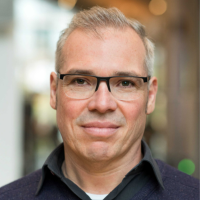
Carlos Fitzsimmons
University of Amsterdam
Short Abstract
Carlos Fitzsimmons is an Associate Professor at the Swammerdam Institute for Life Sciences at the University of Amsterdam.
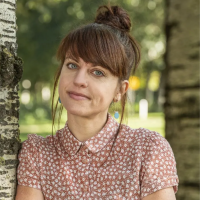
Evgenia Salta
Netherlands Institute for Neuroscience
Short Abstract
Evgenia Salta is a Group Leader at the Netherlands Institute for Neuroscience, within the Laboratory of Neurogenesis and Neurodegeneration.
The notion of exploiting the regenerative potential of the human brain in physiological aging or neurological diseases represents a particularly attractive alternative to conventional strategies for enhancing or restoring brain function. Harnessing adult hippocampal neurogenesis in human Alzheimer’s brain may provide novel strategies to prevent or counteract dementia, by enhancing the ‘fitness’ and plasticity of a hippocampal network that is critical both for memory formation and for memory deterioration in Alzheimer’s disease. Insights into the molecular and cellular regulatory networks maintaining homeostasis of the human neurogenic microenvironment are currently missing.
We employ single-nucleus RNA sequencing technology in the human adult hippocampal neurogenic niche to profile cell type-specific molecular signatures of adult hippocampal neurogenesis and their changes during the course of AD pathology and in resilient brains. We identify distinct immature neuronal profiles that may be linked to mechanisms of vulnerability and resilience to Alzheimer’s dementia. Further understanding of what these cellular populations can do in the healthy and diseased adult human brain may open up novel therapeutic avenues.
Contact
Questions regarding this TN2 symposium? Contact the Amsterdam Neuroscience team.