TN2 Symposium: Causality through the lens of ageing
| Date: | 28 May 2026 |
| Time: | 08:45-18:00 (CEST) |
| Location: | De Vrijzaal (ground floor, next to ‘Voetenplein’), Amsterdam UMC, location AMC |
| Registration: | Registration will open soon |
Share this
TN2 stands for Translational Neuroscience Network, and we connect basic and clinical researchers in the field of Translational Neuroscience from all over the Netherlands and beyond. Join us on May 28 for a full-day in-person event exploring this year’s theme: “Mind the cause: Exploring causality in neuroscience”.
Program
| 08:45 Walk-in |
| 09:15 -09:25 Word of Welcome by TN2 organization |
| 09:25 – 09:45 Presentation by Susanne de Rooij – The role of early life factors in brain health: evidence from quasi-experimental studies |
| 09:45 -10:15 Presentation by Odile van den Heuvel & Sonja Rutten – Parkinson’s at the psychiatrist: the mutual enrichment of clinical care and research |
| 10:15 – 10:30 Panel discussion |
| 10:30 – 11:00 Break |
| 11:00 – 11:20 Presentation by Leon de Bruin – Topology, mechanism, and the limits of interventionism: rethinking causal explanation in neuroscience |
| 11:20 – 11:50 Keynote by Lauren Ross – Causation in Neuroscience: Explanation, Mechanism, and Control |
| 11:50 – 12:15 Panel discussion |
| 12:15 – 13:00 Lunch & Networking |
| 13:00 – 13:50 Early career lightning talks |
| 13:50 – 14:10 Presentation by Anouk den Braber – Genetic and Environmental Contributions to Alzheimer’s Disease: Insights from the PreclinAD Twin60++ Study |
| 14:10 – 14:30 Panel discussion |
| 14:30 – 15:00 Break |
| 15:00 – 15:20 Presentation by Jorge Meijas – Exploring causality across scales with computational models |
| 15:20 – 15:50 Keynote by Steven Sloan – Organoid-based approaches to investigate human neural development and function |
| 15:50 – 16:15 Panel discussion |
| 16:15 – 17:30 Drinks & Networking |
Keynote Speakers
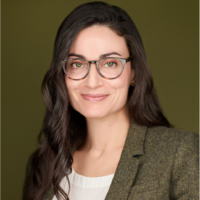
Lauren Ross
University of California
About
Lauren N. Ross is Dean’s Professor and Chancellor’s Fellow at the Logic and Philosophy of Science Department at the University of California, Irvine. Her research concerns explanation and causation in biology, neuroscience, and medicine. This work involves interrelated projects that address: the nature of explanation in these sciences, different causal structures and explanation types, and the rationale that guides particular forms of causal reasoning in these domains.
Causation in Neuroscience: Explanation, Mechanism, and Control
This talk examines current issues surrounding causation and causal explanation in neuroscience. While a significant amount of research in the field is focused on identifying the causal structure of the brain—at molecular, cellular, circuit, and network scales—various issues arise in specifying standards for this research. Many standards invoke the “mechanism” concept, although this term remains defined in various (sometimes incompatible) ways. This talk examines a way forward in clarifying standards for causal explanation in neuroscience. This work provides an analysis of principles that specify (1) when causes are (and are not) explanatory, and (2) when they offer better or more powerful explanations. Instead of focusing on whether a system should be called a “mechanism” or not, this talk suggests that it is more useful to specify when causes and causal systems explain.
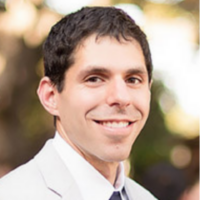
Steven Sloan
Emory University School of Medicine
About
Steven Sloan, MD, PhD, is an associate professor in the Department of Human Genetics at Emory University School of Medicine. Dr. Sloan is a member of the Cell and Molecular Biology Research Program at Winship Cancer Institute. Dr. Sloan’s laboratory team is interested in understanding human astrocyte development and what mechanisms underlie astrocyte maturation. They have a great interest in glioblastoma because it represents a pathological model of abnormal astrocyte development. They are attempting to find synthetic drivers of astrocyte maturation during development and believe that we could apply these approaches to glioblastomas as potential therapeutic interventions.
Organoid-based approaches to investigate human neural development and function
Understanding human neurodevelopment requires model systems that capture uniquely human features of neural lineage progression and circuit assembly. We use a combination of human organoid models and primary fetal tissue to define the timing, triggers, and trajectory of neural cell fate decisions in the developing human brain. We have particular interest in using in vitro models to understand both fundamental principles of neurobiology, as well as disease modeling of both rare and common neurodevelopmental disorders. We also are pursuing new avenues to introduce further sophistication to brain organoid models and to combine this in vitro platform with other modalities such as 3D bioprinting and microfluidics for the purpose of building tissues with even further fidelity to the in vivo setting.
Lightning talks – Deadline for application: 31 March 2026
There is an opportunity for young researchers to give a 10-minute lightning talk on their research ideas or results at this full-day TN2 Symposium. Selected speakers will not only present their research at the symposium but will also receive professional training beforehand to help develop their talk and strengthen their communication skills.
Instead of giving a standard scientific presentation in the intro-methods-results-discussion format, these talks are meant to spark inspiration, make very specific concepts accessible to all of Amsterdam Neuroscience, and draw people’s attention to topics they have not explored before!
Due to limited space, only a selection of researchers will be able to give a lightning talk.
Contact
Questions regarding this TN2 symposium? Contact the Amsterdam Neuroscience team.