
Symposium: The Dynamic Brain: Mind-changing States
| Date: | 27 November 2026 |
| Time: | 10:00 – 12:15 (CEST) |
| Location: | Conference room ‘t IJ, RDC, Research And Diagnostic Center Adore, Van der Boechorststraat 6-B 1081 BT Amsterdam |
| Registration: | Register via this form |
Share this
Join the upcoming symposium “The dynamic brain: mind-changing states”.
During this exciting event our invited speakers will discuss the effects of psychedelics and anesthetics on the human brain. They will cover the psychedelic Psilocybin (the active compound found in magic mushrooms and truffles) and its effect on alteration of perception and brain dynamics. But also, the application of psychedelics in psychiatry, specifically Psilocybin in cases of depression that are difficult to treat. Additionally, we will discuss the neurological response of reorganisation of functional networks by anesthetic S-ketamine.
Program
| 10:00 – 10:15 Walk-in |
| 10:15 – 10:30 Word of welcome by the TN2 organization |
| 10:30 – 11:00 Presentation by Dr. Tomas Knapen – A systems neuroscience perspective on the effects of Psilocybin in the human brain |
| 11:00 – 11:20 Presentation by Dr. Daphne Boucherie – Reorganisation of the functional networks by S-ketamine: from neurometabolism to receptor-enriched functional connectivity |
| 11:20 – 11:50 Presentation by Dr. Metten Somers – Psychedelics in psychiatry: Psilocybin in difficult to treat depression |
| 11:50 – 12:15 Panel discussion with all speakers |
| 12:15 Wrap-up |
Speakers
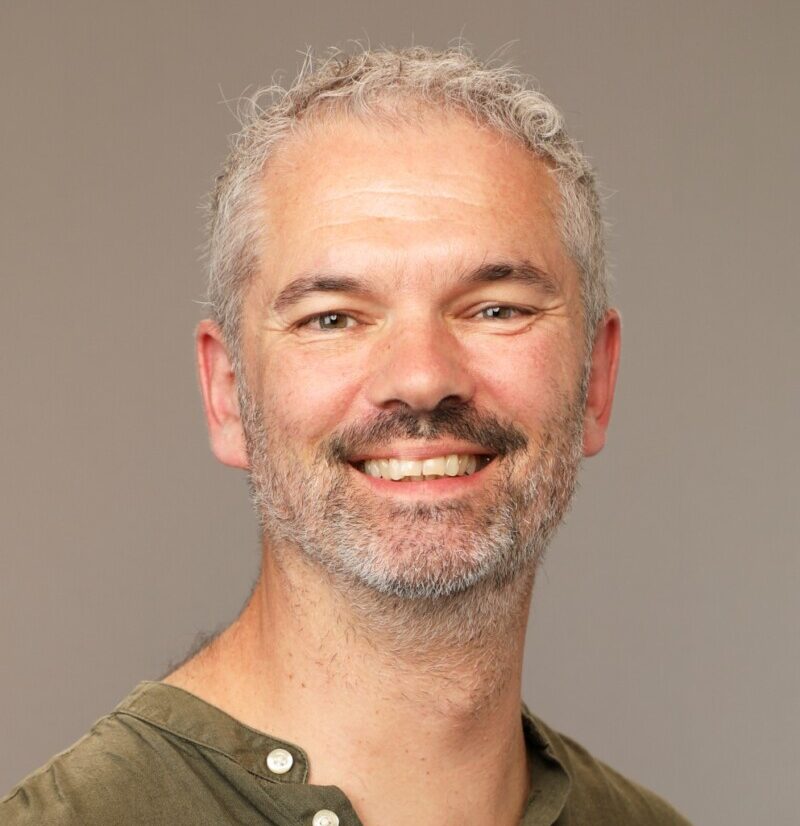
Dr. Tomas Knapen
VU Amsterdam
Short Abstract
How do psychedelics change the computations performed by the human cortex? We recently combined psilocybin, psychophysics, and ultra-high-field (7T) fMRI to examine visual processing within individually mapped cortical topographies. Psilocybin strengthened contextual influences on perception, increasing the Ebbinghaus illusion, while reducing surround suppression in early visual cortex. A divisive normalization model captured these changes through a selective alteration in cortical response modulation, despite largely preserved visual field maps and receptive field sizes. These findings implicate contextual computation as a potentially general mechanism of psychedelic action. More broadly, they illustrate how individual-level, computationally informed 7T imaging can move psychedelic neuroscience beyond global brain dynamics toward mechanistic accounts of perception and experience.
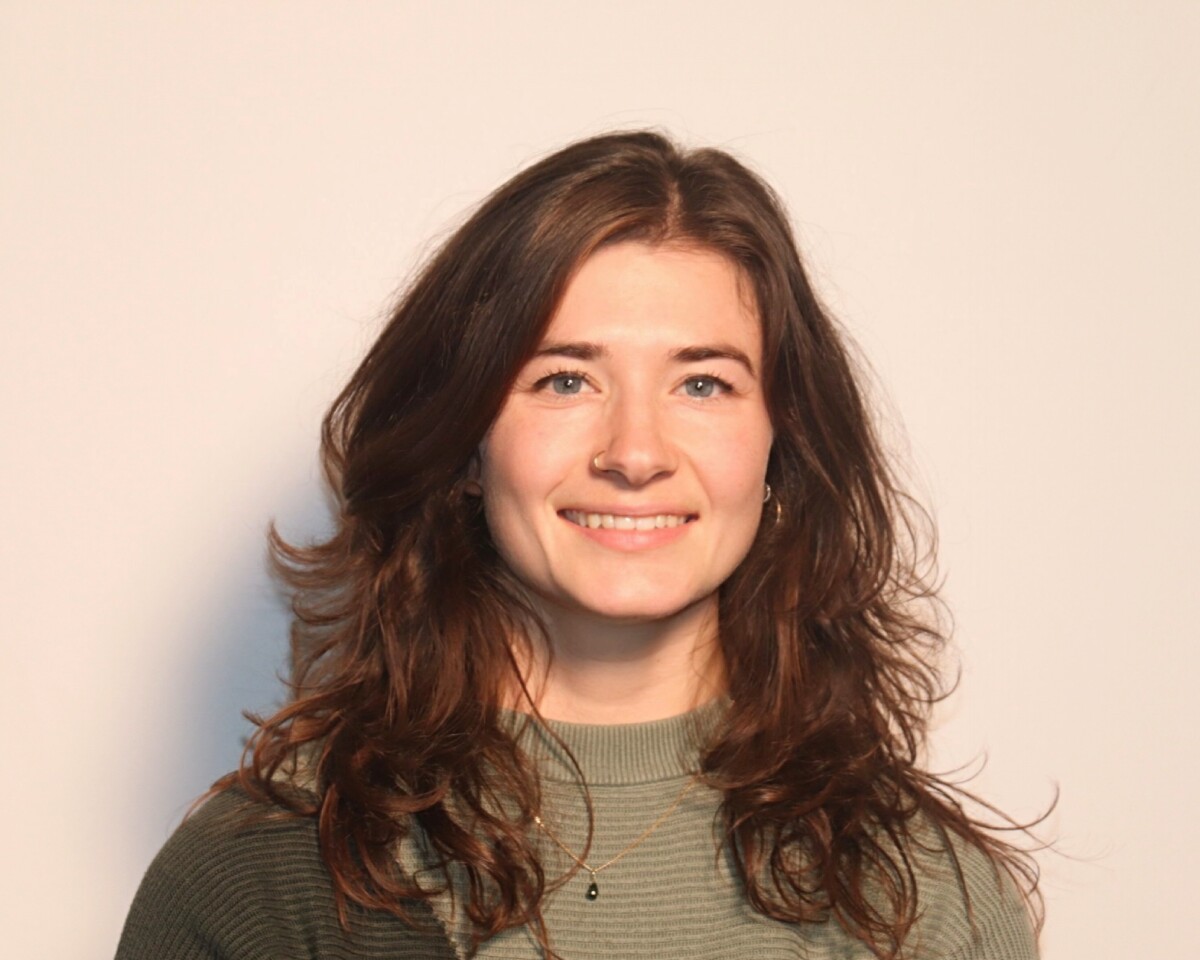
Dr. Daphne Boucherie
Amsterdam UMC
Short Abstract
Dr. D. Boucherie completed her PhD at the department of Radiology and Nuclear Medicine at the Amsterdam UMC. During her PhD, she focused on further understanding the different factors (neurobiological and vascular) that influence and underlie the pharmacological MR response to antidepressant medication, such as selective serotonin reuptake inhibitors (SSRIs) and ketamine. Following her PhD, Daphne started as a postdoctoral researcher at the department of Radiology and Nuclear Medicine at the Amsterdam UMC. Currently, her research focuses on investigating the neurobiology of loneliness in young adults, and the effects of technology use thereon.
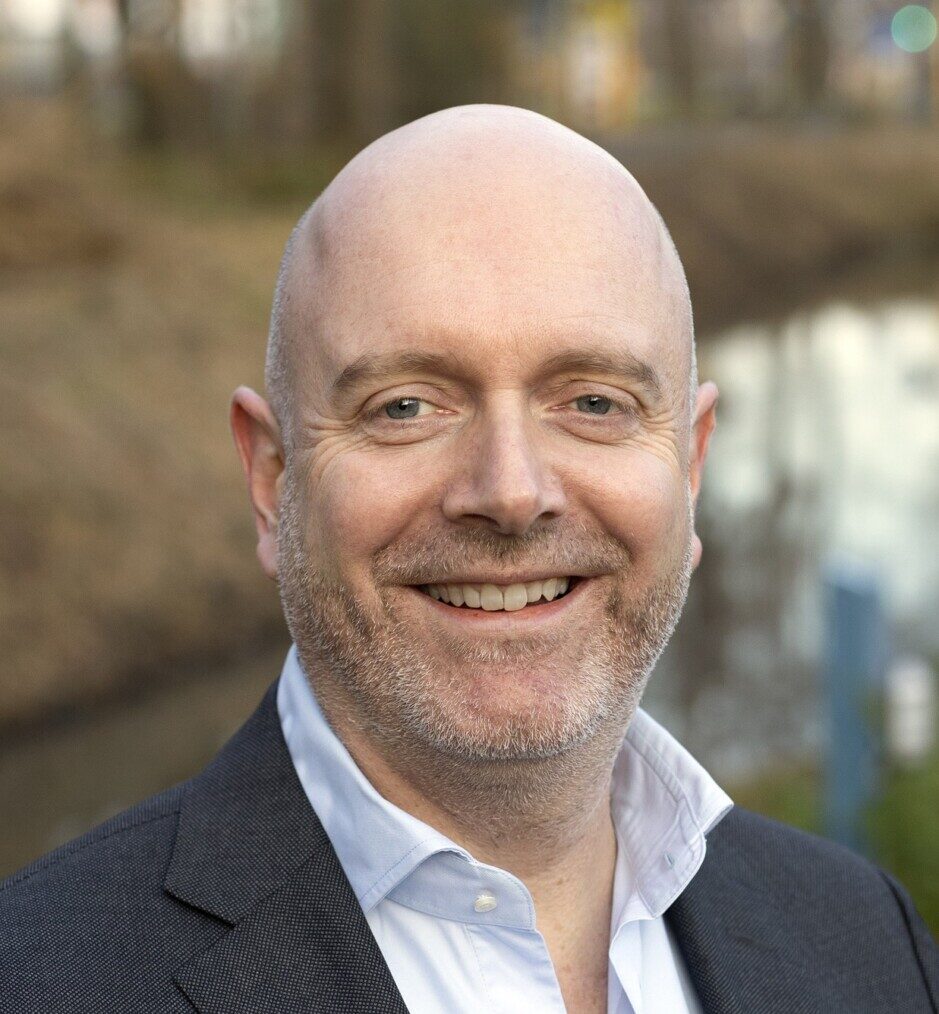
Dr. Metten Somers
UMC Utrecht
Short Abstract
Over the past few years, there has been a renewed interest worldwide in the potential use of psychedelics in psychiatry. This has led to a substantial increase in research into both the efficacy and safety of these substances. Much of this research focuses on the question of whether, and to what extent, the altered states of consciousness induced by psychedelics may contribute to reducing psychiatric symptoms. Psilocybin, the active compound found in magic mushrooms and truffles, has been studied most extensively, particularly in patients with treatment-resistant depression. But how convincing is the evidence that psilocybin actually works? And are we getting closer to a point where psilocybin therapy could become an approved treatment in psychiatry? To address these questions, this lecture will review the findings from published phase IIb trials and ongoing phase III trials investigating the efficacy and safety of psilocybin in treatment-resistant depression.
Contact
Questions regarding this TN2 symposium? Contact the Amsterdam Neuroscience team.